
When Should I Use A Skate Wheel Conveyor Over A Roller Conveyor?
Non-powered material transportation systems, namely gravity conveyors, are the foundation of moving goods efficiently. They work simply by using laws of physics or human pushing to keep items moving smoothly. Because they do not rely on motors or complex electrical components, these setups are highly reliable. They save power and are convenient to fix and keep running over time.
Picking between a setup that uses rows of skate wheels or one that uses a roller design depends on a few important details. You have to consider:
● Load Characteristics
● Facility Layout
● Degree Of Portability
This guide will look at the mechanical nuances and the practical operational advantages of each option to help you figure out which setup is the best fit for your specific goals in managing logistics.
What is a Skate Wheel Conveyor?
Design and Materials
This system uses independently rotating wheels. These are commonly referred to as flywheels. They are attached to standard axles inside a frame. The wheels are packed closely in high-density rows and are usually made of zinc-plated steel. They can also be made using lightweight aluminum or high-impact ABS plastic.
How It Works and What It Carries
Because each wheel spins on its own, it takes very little effort to get things moving. There is minimal starting resistance. Items can glide down at shallow slopes or with just a gentle shove. These conveyors are built specifically for lightweight to medium-duty packages that have hard, flat undersides.
Flexibility and Maintenance
The physical setup is modular. It often uses frames that can stretch out, shrink back, or bend around corners called telescopic frames. To keep the wheels spinning and resist debris ingress, many high-quality wheels use labyrinth shields for the bearings. This means they never need to be lubricated for life.
What is a Roller Conveyor?
Design and Materials
Instead of small wheels, this system uses cylindrical tubes that stretch across the entire width of the frame. It gives items a continuous support surface. For harsh work areas, these rollers are often made of galvanized or stainless steel so they won't be damaged by dirt, water, or intense washdown protocols.
How It Works and What It Carries
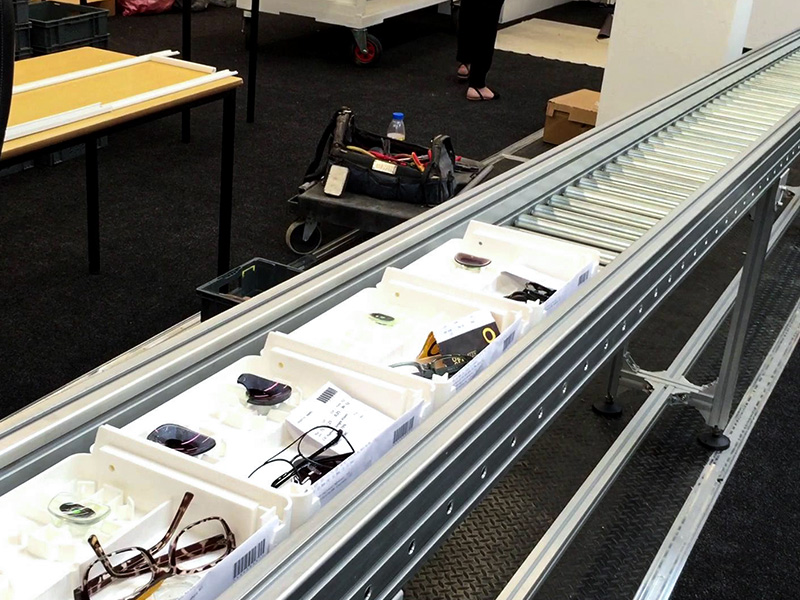
Because these long tubes spread the weight out evenly, they are the go-to option for heavier goods or containers with bumpy or irregular bottoms. They are non-powered gravity units or use motorized systems involving chains, sprockets, and variable frequency drives (VFD) for automated flow. If you are moving fragile cargo, you can use a double-roller configuration for an even smoother ride.
Spacing and Safety Guidelines
The distance between each roller is known as the spacing or centers. It is a critical detail. You must always ensure there are at least 3 rollers beneath the product so it doesn't tip over.
Additionally, when items move from a motorized section to a non-powered section, it can create a dangerous pinch-point hazard known as the "wringer effect." Because of this hazard, specific safety guarding is required by safety standards.
Comparative Analysis: Performance & Suitability
Weight Limits and Reinforcements
Skate wheel systems are designed to hold lighter packages, usually handling between 30kg and 60kg for every meter of length, depending on the materials used. However, by adding special X-cross reinforcements into the middle of the frame, you can greatly increase the linear load-bearing capacity. In contrast, systems using powered roller conveyors are best for heavy-duty applications. When built with extra reinforced structures, a single roller can hold anywhere from 100kg up to 2000kg.
Matching the Conveyor to the Package
Skate wheels provide more contact points due to their close packing. This works well for tiny objects that could get caught in the gaps between regular rollers. However, warehouse workers frequently insert a thin, flat piece of cardboard or plastic called slip sheets below a box if it begins to dip or sink between the wheels. This gives the box the firm base it needs to travel smoothly. You must only use rollers when moving objects with raised rims, ring-banded bases, or uneven undersides. Soft-bottomed boxes may catch small wheels or cause them to poke into them.
Handling Corners
Skate wheels are much better at keeping items moving in the right direction around corners. This is because each wheel can spin at its own speed, called differential action. When going around a corner, the wheels on the outside of the turn spin faster than the ones on the inside, which naturally maintain their center position. Wheel orientation automatically re-centers the goods. You usually do not need extra rails on the edges to keep things from falling off. Roller systems taking a corner, on the other hand, usually need tapered rollers or extra protective barriers to stop boxes drifting toward the outer frame.
Layout Flexibility
Skate wheels are perfect for zigzag layouts or tight spaces where the conveyor needs to make tight 360-degree bends. Furthermore, since skate wheels have less friction, you can build corners where one side is tilted higher than the other, called banked curves. This keeps items safe and stable even when moving fast.
Creating the Right Slope
Skate wheel systems need a much smaller pitch or incline to get things moving. The small wheels roll much more easily than large cylinders. A very tiny slope of just 1% grade is usually enough to get things moving on skate wheels. Because it takes minimal starting resistance, even the lightest packages will roll down on their own without someone having to push them.
Roller systems, however, usually need a steeper decline. It is normally dropping 1 to 2 inches for every 10 feet of length. This steeper angle is necessary just to overcome the initial resistance of the heavy cylinder sitting still. In fact, rollers may require double the incline of a skate wheel to get the exact same results.
Adjusting for Space and Weight
The smaller slope required for skate wheels is incredibly helpful in buildings with low vertical clearances or limited ceiling height. Regardless of which system you choose, both use adjustable inner legs. This allows you to perfectly set the slope to control how fast items roll depending on exactly how heavy that specific batch is.
Operational Flexibility & Portability
Mobility and Seasonal Use
Because they weigh much less than roller systems, skate wheel conveyors can easily be moved around by just a single operator. This makes them the top choice for short-term or temporary arrangements, such as surge-capacity lines in e-commerce centers. Mobile versions of these conveyors usually come with heavy-duty swivel lockable casters. This allows them to be effortlessly rolled wherever they are needed and firmly anchored while work is being done.
Space Optimization and Noise Reduction
Using wheels made of aluminum makes the entire system even lighter while still remaining tough enough to handle moderate workloads. These lightweight frames can even be mounted to ceiling-hung systems to free up valuable floor space in cramped warehouses. Additionally, using premium plastic skate wheels greatly reduces the noise levels of the operation, which is an essential feature if the conveyor is being used in noise-sensitive areas like retail stores or office buildings.
Quick Connections and Seamless Integration
These modular skate wheel units often use simple linking mechanisms so you can connect multiple pieces together in seconds. There is no need for special equipment. They also integrate with existing equipment, making it incredibly easy to bridge the gap between a powered line and an area where workers perform manual sorting. To keep things safe, special end hooks let you quickly attach a barrier that can be flipped into place, and a retractable package stop to prevent boxes from sliding off the end of the belt.
Flexibility, Storage, and Shipping Efficiency
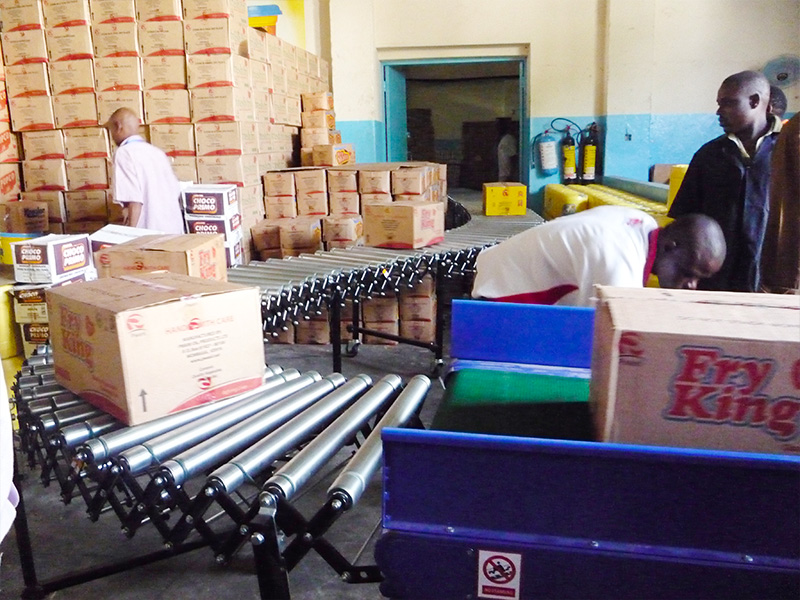
Telescopic frames allow the conveyor to effortlessly expand and contract freely. This is highly useful when there are variable loading and unloading points. When the work is done, the collapsible nature of these flexible units means they can be tucked away into very small spaces.
Logistics are highly optimized for these telescopic skate conveyors. They are frequently shipped with their legs taken off, and the frames inverted to pack as efficiently as possible into the shipping crate. This packing method is so efficient that it allows dozens of conveyor sets to fit perfectly inside a standard 20GP load.
Cost and Maintenance Considerations
Category
Factor
Details & Technical Implications
Initial Investment
Capital Expenditure
Lowest cost; simple design reduces the need for expensive heavy machinery like forklifts.
Operational Costs
Zero electricity required; no motors, chains, or belts means minimal day-to-day expenses.
Long-Term ROI
Scalability
Highly modular; allows adding sections as needed instead of buying massive fixed systems.
Total Cost of Ownership
Lower overall cost for light-duty facilities; individual wheel replacements are highly economical.
Durability
General Lifespan
Lasts 8 to 15 years with proper care of the main frame and supports.
High-Impact Resistance
Limitation: Roller systems are more durable for heavy-impact zones (construction sites, outdoor docks).
Daily Upkeep
Routine Maintenance
Requires regular cleaning and checking for free rotation to prevent bottlenecks.
Repair Protocol
Damaged Wheels
Must be replaced immediately to prevent product skewing or tumbling.
Bearing Assembly
Replace the entire wheel; bearings are press-fitted and require factory-level precision assembly.
When to Choose Which? Decision Matrix
Select Skate Wheel Conveyors if:
● The cargo consists of lightweight packages, polybags, or parcels under 60kg.
● The items have rigid, flat bottoms like corrugated cartons or plastic totes.
● The conveyor layout requires complex curves, merging, or diverting.
● Portability is essential for seasonal work or variable loading docks.
● The budget requires a low initial investment and zero energy consumption.
Select Roller Conveyors if:
● The loads are heavy (over 75lb/34kg) or consist of finished goods like furniture and appliances.
● The container bottoms are uneven, rimmed, or soft.
● The operating environment involves heavy dust, moisture, or chemical washdowns.
● The process requires automated power and integration with a Warehouse Management System (WMS).
● The line requires a stable surface for manual inspection or assembly tasks.
Conclusion
Choosing between a skate wheel conveyor system and a roller system ultimately comes down to the specific business workflow. You have to decide if your priority is nimble tracking and cost-efficiency of wheels, or the heavy-duty stability of rollers. For today's modern distribution centers, using adaptable systems that rely on gravity. It is a smart, sustainable way to increase throughput while reducing labor strain.
If you want to optimize your warehouse operations, a company named YiFan Conveyor offers complete, professional one-stop solutions. They provide everything from flexible skate wheel conveyors to Heavy Duty Powered Roller Systems.
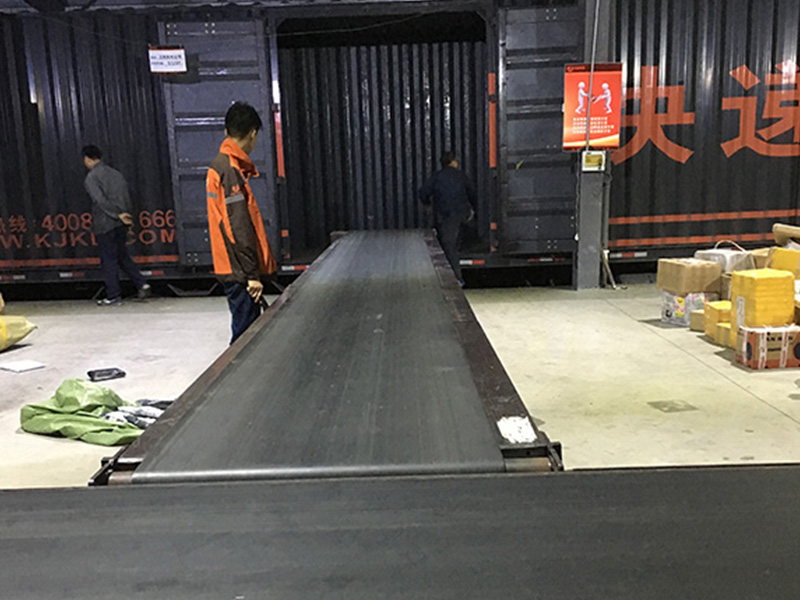
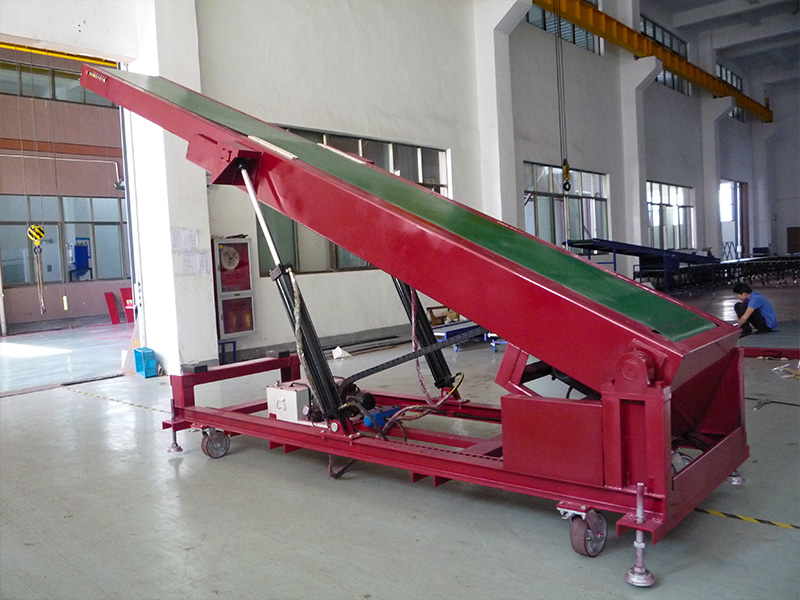
Their experienced R&D team can build custom Telescopic Belt Conveyors and systems designed specifically for Truck Loading Systems to perfectly match the physical shape and space of your building. You can reach out to YiFan Conveyor today to streamline your intralogistics using reliable gear that has been proven to work in real-world conditions.
FAQs
Should I buy skate wheels or rollers?
Get skate wheels for light, flat-bottom boxes under 60kg. They save money and need less slope. Get rollers for heavy items over 34kg, soft bags, or bumpy bottoms. Rollers handle tough, dirty jobs much better.
Can I fix a broken skate wheel bearing?
No. Do not swap just the bearing. The factory squeezes them in tight. You need exact alignment to do it right. Just throw the broken wheel away and snap a brand new one into the frame immediately.
Why are skate wheels better for curves?
Each tiny wheel spins on its own. Outer wheels spin faster than inner ones. This pulls your box right to the center automatically. Rollers need extra guards or weird shapes to stop boxes from falling off the edge.

Get in touch with us
QUICK LINKS
PRODUCTS
CONTACT US
E-Mail : sales01@yfconveyor.com
24 Hour Hotline : +86 13958241004
Add: No.77,Heyi Road,Gulou Street,Haihu,Ningbo China