What Should I Look for When Buying a Telescopic Conveyor?
The telescopic conveyor is designed to minimize manual handling and increase loading and unloading efficiency, making it a great solution for material transportation. The telescopic conveyor is a product that can improve loading and unloading efficiency by reducing manual handling and moving materials quickly. From an e-commerce warehouse to a distribution center to a manufacturing plant, the right equipment can simplify processes and reduce staff needs when it comes to managing parcels.
This guide provides the most essential considerations to help you choose a telescopic conveyor for your business needs and ensure your investment pays off.
What Is a Telescopic Conveyor?
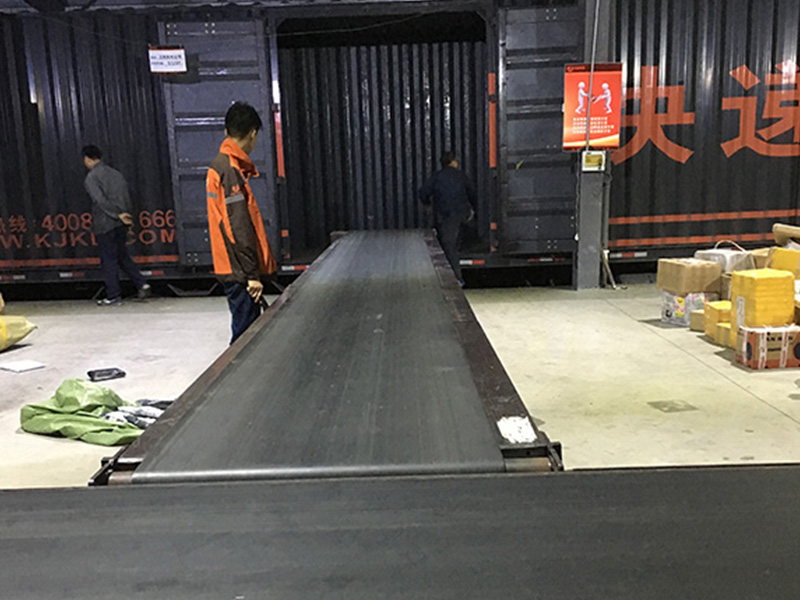
A telescopic conveyor is an extendable conveyor system that can go straight into trailers, shipping containers and trucks. It is not like a fixed conveyor system that may have to be dismantled when the loading distance changes. It can be extended or retracted according to the loading distance, and the workers can carry the goods with less carrying and lifting.
These conveyors are commonly used in:
- Warehouses
- Distribution centers
- Courier hubs
- E-commerce fulfillment centers
- Manufacturing facilities
- Logistics companies
- Retail distribution warehouses
When the conveyor sits closer to the operator, everything changes — loading and unloading pickup speed, the process gets safer, and workers aren't putting nearly as much strain on their bodies.
Why Choosing the Right Telescopic Conveyor Matters
A conveyor isn't something you buy once and forget about — it's a decision that sticks with your business for years. Go with the cheapest option, and you could end up paying for it later: slower output, more frequent repairs, and a system that simply can't keep pace once your operation starts to grow.
Pick the right telescopic conveyor, though, and you'll notice the benefits add up, including:
- Faster truck loading and unloading
- Lower labor requirements
- Reduced product handling
- Improved worker safety
- Better warehouse efficiency
- Higher throughput during peak seasons
- Lower operating costs over time
Key Factors to Consider Before Buying a Telescopic Conveyor
Before purchasing a telescopic conveyor, it is important to make sure that it fits your requirements. Here is a checklist of key factors to consider before making the purchase:
1. Understand Your Material Handling Requirements
Before anything else, take a close look at exactly what products you'll be moving through the system.
Consider:
- Product dimensions
- Average weight
- Maximum weight
- Packaging type
- Loading frequency
- Daily operating hours
For instance, moving light cartons will be different from moving heavy industrial items.
A well matched conveyor machine provides smoother running and helps to minimize roller, belt and drive component wear.
2. Choose the Right Conveyor Length
One of the biggest advantages of a telescopic conveyor is its adjustable reach.
Different facilities require different extension lengths depending on:
- Truck sizes
- Container dimensions
- Dock layout
- Warehouse space
- Loading bay configuration
If the telescopic conveyor can't extend all the way into a trailer, workers end up carrying products by hand over longer stretches — and that slows everything down.
On the flip side, going with a conveyor that's longer than you actually need just adds to the cost without giving you anything extra in return.
3. Evaluate Load Capacity
Every telescopic conveyor system has a rated carrying capacity.
Ask yourself:
- What is the average product weight?
- What is the maximum load?
- Will multiple products travel together?
- Will product weights increase in the future?
- Selecting insufficient capacity leads to:
- Motor strain
- Premature roller wear
- Belt damage
- Increased downtime
Choosing appropriate load ratings ensures stable and reliable operation.
4. Consider Conveyor Width
The conveyor width should comfortably accommodate your products while maintaining efficient flow.
Common applications include:
- Small parcels
- Cartons
- Plastic totes
- Bags
- Shipping boxes
- Packages
Go too narrow, and you risk jams; go too wide, and you're often paying more while getting less operational efficiency in return.
5. Check Height Adjustment Features
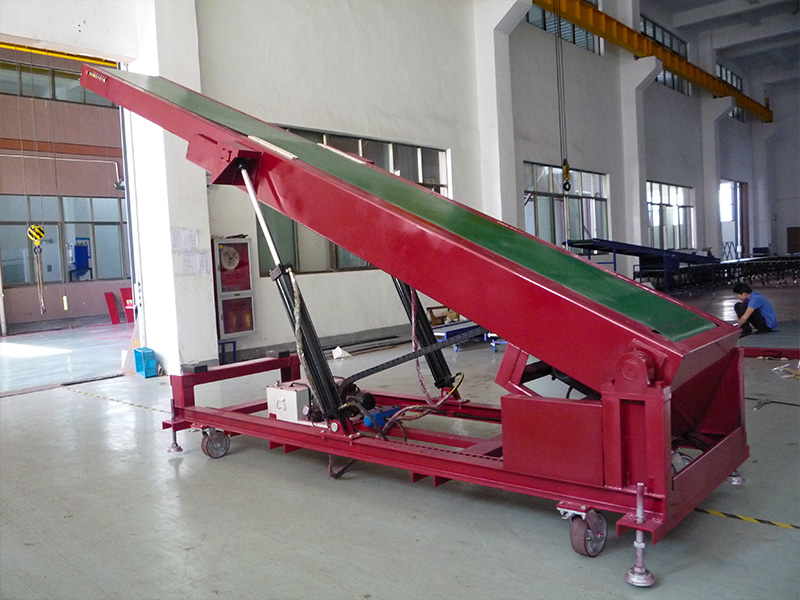
Loading docks aren't all the same height — it depends on the truck models coming through and how the dock itself is built. That's why a quality telescopic conveyor needs adjustable working height, so operators can load and unload comfortably without constant bending or lifting.
Height adjustment improves:
- Ergonomics
- Worker safety
- Productivity
- Loading speed
- Hydraulic or electric lifting systems are common for larger installations.
6. Mobility Requirements
Not every warehouse operates from a single loading dock.
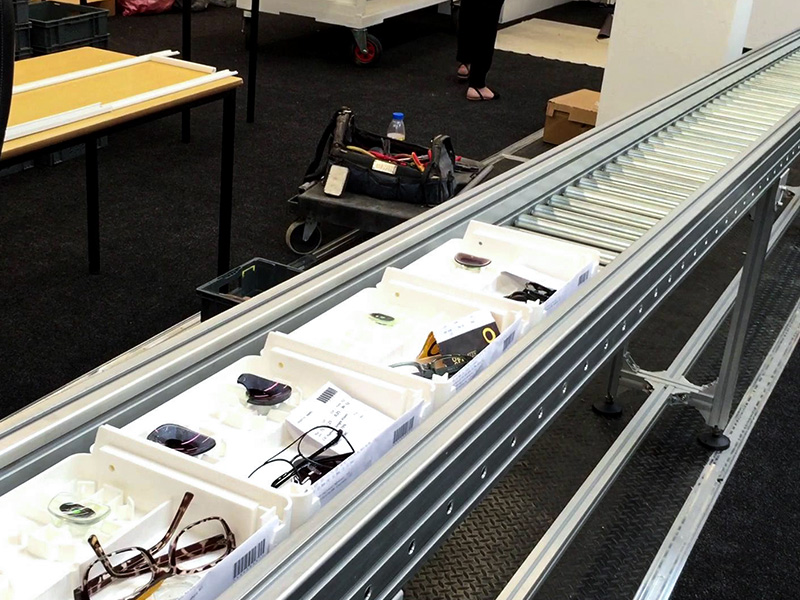
If multiple loading points share one conveyor, a portable telescopic conveyor may be the better option. A portable telescopic conveyor offers:
- Easy relocation
- Better equipment utilization
- Flexible warehouse layout
- Lower equipment investment
- Faster deployment
Facilities with changing workflows often benefit more from portable equipment than fixed installations.
7. Drive System and Motor Performance
The drive motor is the heart of every conveyor machine.
Important considerations include:
- Motor efficiency
- Speed control
- Energy consumption
- Reliability
- Maintenance requirements
Variable-speed drives allow operators to match conveyor speed with different product types and loading conditions.
This improves handling while reducing product damage.
8. Roller or Belt Configuration
Different products require different conveying surfaces. What you choose depends not only on the cost, but also on what your requirement is based on the materials you handle.
Typical options include:
Belt Conveyors
Suitable for:
- Small cartons
- Polybags
- Lightweight packages
- Uneven product bases
Roller Conveyors
Better for:
- Rigid boxes
- Uniform cartons
- Heavy packages
- Pallets (depending on design)
Leading telescopic conveyor manufacturers often recommend the appropriate configuration based on your application.
9. Automation Features
Modern logistics operations increasingly rely on automation.
Today's telescopic conveyor system may include:
- Automatic extension
- Automatic retraction
- Adjustable conveyor speed
- Intelligent controls
- Photoelectric sensors
- Emergency stop systems
- PLC integration
Automation reduces operator workload while increasing loading consistency.
10. Safety Features
Safety should never be overlooked when purchasing industrial equipment.
Look for features including:
- Emergency stop buttons
- Side guards
- Safety rails
- Anti-slip walking platforms
- Collision protection
- Overload protection
- Safe electrical controls
- Stable support structure
11. Ease of Maintenance
Here's the thing about conveyors: how long they last usually comes down to maintenance, not just build quality. So before signing off on a purchase, walk through these questions first:
- Can you actually source replacement parts without waiting weeks?
- When the belt wears out, is swapping it a quick job or a whole ordeal?
- Do the rollers come apart individually, or are you stuck replacing sections at a time?
- Does lubrication take five minutes, or does it need a technician?
- If something goes wrong, will the manufacturer pick up the phone?
12. Energy Efficiency
Electricity consumption becomes significant in facilities operating multiple shifts.
Modern conveyor machine designs often feature:
- High-efficiency motors
- Variable-frequency drives
- Low-friction rollers
- Intelligent power management
- Energy-efficient equipment lowers operating expenses over its service life.
13. Compatibility with Existing Equipment
Most warehouses already operate multiple conveyor lines.
Ensure your new telescopic conveyor system integrates with existing:
- Roller conveyors
- Belt conveyors
- Sorting systems
- Warehouse automation
- Packaging lines
- Scanning stations
Smooth integration prevents unnecessary modifications after installation.
Consider Future Business Growth
Your current production volume may not remain the same.
Choose equipment capable of supporting future expansion by considering:
- Higher throughput
- Larger trucks
- Increased order volumes
- Additional warehouse space
- Automation upgrades
Investing slightly above today's requirements often proves more economical than replacing equipment after only a few years.
Should You Consider a Motorized Flexible Conveyor?
In some facilities, a motorized flexible conveyor works alongside a telescopic loading system rather than replacing it. This kind of setup comes in handy when products need to move through curved or changing pathways inside a warehouse — situations where a straight, fixed line just won't cut it.
A few reasons operations lean toward this option:
- Layouts that flex to fit the space
- Sections that expand or contract as needed
- Storage that doesn't eat up floor space
- Fast repositioning when workflows shift
- Powered movement, so products aren't pushed by hand
A lot of operations end up pairing a motorized flexible conveyor with a telescopic conveyor system, since together they help move goods more efficiently — from the packing station all the way to the loading dock.
Common Mistakes to Avoid
Many buyers focus only on purchase price instead of long-term performance.
Avoid these common mistakes:
- Choosing insufficient load capacity
- Ignoring future expansion
- Overlooking maintenance requirements
- Buying without measuring loading docks
- Selecting incompatible conveyor widths
- Ignoring safety features
- Choosing inexperienced suppliers
- Forgetting after-sales support
A careful evaluation prevents costly upgrades later.
Conclusion
There is more to buying the right telescopic conveyor than simply comparing prices. The best overall answer will be one that fits your product line, process, plant layout and plans for expansion, and will continue to work for years.
Compare conveyor length, capacity, mobility, automation, safety features, maintenance and integration with existing conveyor systems. A portable telescopic conveyor could be of further benefit where flexibility of movement is required in your operations. Similarly, if you want to enhance the efficiency of your warehouse, you can pair Truck Loading Conveyors with a motorized flexible conveyor system, which will optimize your loading system even more.
Contact YF Conveyor today to discuss your requirements and discover a conveyor solution that improves productivity and supports your business growth.
Frequently Asked Questions
What are the applications of telescopic conveyors?
The telescopic conveyor is widely used in logistics, e-commerce, couriers, production, retail distribution, and warehouses and shipping centers. Minimizes the use of manual labor and accelerates the loading and unloading of trucks.
Which is better, a portable telescopic conveyor or a fixed conveyor?
Portable telescopic conveyors are ideal for warehouses having more than one loading dock or warehouses that frequently change layouts. Fixed models are more appropriate when loading and unloading is fixed and well known.
Which one of the telescopic conveyors is the best to purchase?
Consider the size of your product, load capabilities, extension, conveyor width, hours of operation, space, safety, automation, and future expansion needs. Using the appropriate specifications for higher efficiency and longer equipment life.
Is it possible to combine a telescopic conveyor with other conveyor equipment?
Yes. The vast majority of modern telescopic conveyor system designs can be connected with other material handling systems such as roller conveyors, belt conveyors, sorting systems, packaging lines, warehouse automation, and Truck Loading Conveyors to allow for a seamless material handling process.
Why should I purchase from experienced telescopic conveyor manufacturers?
The professional telescopic conveyor manufacturers offer more engineering know-how, superior product quality, professional technical support, convenient spare parts on hand, customization, support for installation, and after-sales services.

Get in touch with us
QUICK LINKS
PRODUCTS
CONTACT US
E-Mail : sales01@yfconveyor.com
24 Hour Hotline : +86 13958241004
Add: No.77,Heyi Road,Gulou Street,Haihu,Ningbo China